
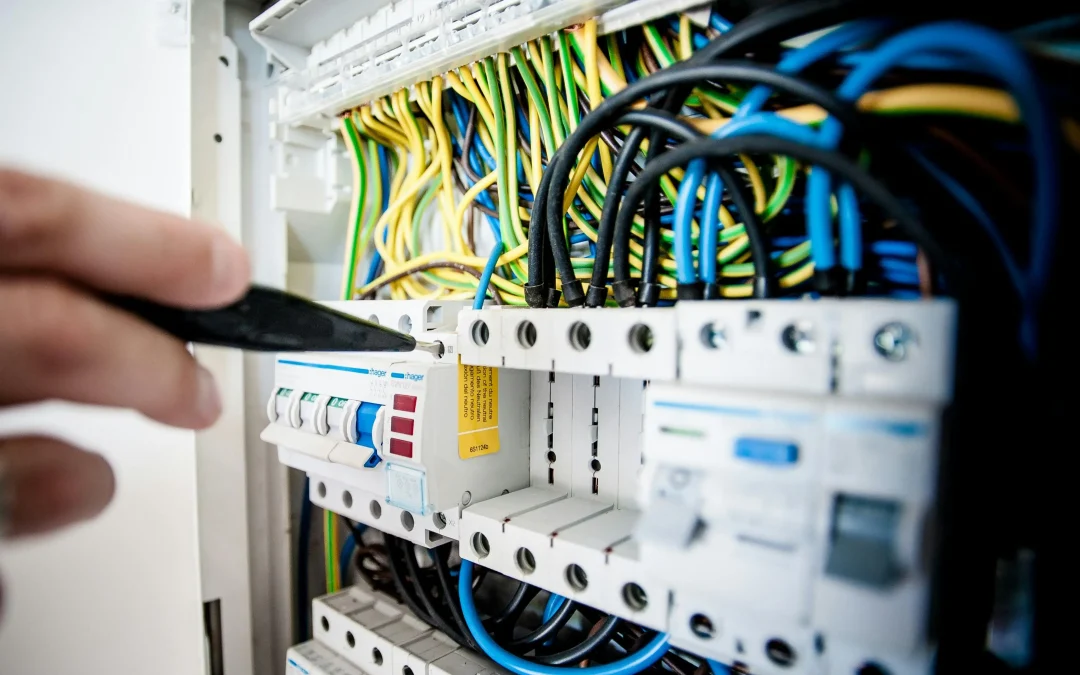
If you run a business or manage a property, electrical safety is one of those things you know you need to stay on top of. But when it comes to EICR testing, a lot of people aren’t fully sure what actually happens during the inspection.
This guide walks you through it in plain terms, so you know what to expect, how long it takes, and what you’ll get at the end of it.
What is an EICR?
An Electrical Installation Condition Report (EICR) is a detailed check of your building’s electrical installation.
It examines your fixed wiring, circuits, and key components to ensure everything is safe and working properly. Over time, electrical systems can wear out or develop faults, and an EICR helps catch those issues early.
For businesses and landlords, it’s also an important part of staying compliant with safety responsibilities, often alongside other safety checks such as a fire risk assessment.
Why EICR Testing Matters
Electrical issues rarely happen all at once. They tend to build up over time. Worn cables, loose connections, or overloaded circuits can go unnoticed until they cause a bigger problem.
Regular EICR testing helps you:
- Spot problems early
- Keep your property safe to use
- Stay in line with regulations
- Avoid costly repairs later on
Testing should be carried out every 5 years to meet legislation.
What Happens During an EICR Inspection?
An EICR is a detailed inspection carried out by a qualified electrician. When previous test history is available, only 20% of the circuit will need to be tested but where previous certificates are not available showing which circuits have been tested before, the whole installation will require testing.
- Visual checks
The inspection usually starts with a visual look at the installation.
This includes:
- Sockets and switches
- Light fittings
- Fuse boards
- Visible wiring
The electrician is looking for signs of damage, wear, or doesn’t look quite right and may need further investigation.
2. Testing the circuits
After that, the circuits are tested to make sure everything is working safely.
This involves:
- Checking the condition of the wiring
- Testing how circuits perform
- Making sure safety devices operate properly
Some of this testing is done while the system is live, and some requires the power to be switched off.
If circuits are clearly labelled, they can often be tested individually, which helps reduce disruption.
3. Checking key safety components
Certain parts of your electrical system are critical for safety and require close attention during EICR testing.
These include:
- Earthing and bonding
- Circuit protection
- Distribution boards
If these aren’t working properly, faults can become dangerous - they can cause injury, damage electrical equipment required for business operations or pose a fire risk.
4. Issues are recorded
If anything is found during the inspection, it’s noted in the report along with what needs to be done.
This could be:
- Damage to wiring
- Signs of overloading
- Outdated components
- General wear and tear
You’ll be given a clear explanation of what’s been found and whether any work is needed.
5. You receive your certificate
At the end of the inspection, you’ll receive your EICR certificate.
This outlines:
- What was tested
- The overall condition of your system
- Any issues identified
- Recommended next steps
It will also confirm whether your installation is considered safe or if further work is required.
What Happens After EICR Testing?
What you do next depends on the result.
If everything is in good condition, there’s nothing you need to do straight away. You’ll just need to keep track of when your next inspection is due.
If issues are found, you’ll be advised on what needs to be fixed. Once any work is completed, your system can be brought back up to a safe standard.
How Long Does EICR Testing Take?
The time it takes depends on the size and setup of your property.
As a general guide:
- Smaller properties may take around half a day
- Larger sites can take a few days
The number of circuits and how easy they are to access will affect this.
Having previous test records can sometimes help reduce the amount of testing needed.
EICR Cost: What Affects It?
There isn’t a fixed EICR cost, as it depends on the property.
The main factors include:
- The number of circuits
- Size of the building
- Number of distribution boards
- Complexity of the electrical installation
Because of this, quotes are usually tailored to your specific setup.
Will It Disrupt Your Business?
In most cases, disruption is kept to a minimum.
Electricians will:
- Work in sections where possible
- Avoid shutting down large areas unnecessarily
- Plan around your working hours where they can
Clear labelling of circuits can make a big difference here.
Do You Need a Qualified Electrician?
Yes. EICR testing should always be carried out by a qualified and experienced electrician.
This ensures:
- The inspection is done properly
- Any risks are identified accurately
- You receive an industry recognised certificate
It also helps make sure your property meets current safety standards.
Do You Need an EICR?
If you’re responsible for a workplace or rental property, it’s something you should have in place.
Electrical faults are a common cause of fires and can lead to serious disruption. Regular inspections help you stay ahead of potential problems and keep people safe.
Overview
An EICR is really just about knowing where you stand. It gives you a clear picture of your electrical system, highlights anything that needs attention, and helps you avoid bigger issues further down the line.
If it’s been a while since your last inspection, or you’re not sure when it was done, it’s something which should be arranged. It’s a straightforward way to keep your business safe and compliant without second-guessing anything.
At The Fire People, we carry out EICR testing across South East Wales, working around your schedule to keep disruption to a minimum and explaining everything clearly along the way.
If you’d like to arrange an inspection or get a quote, arrange your EICR inspection and we’ll help you get it booked in.

Recent Comments