
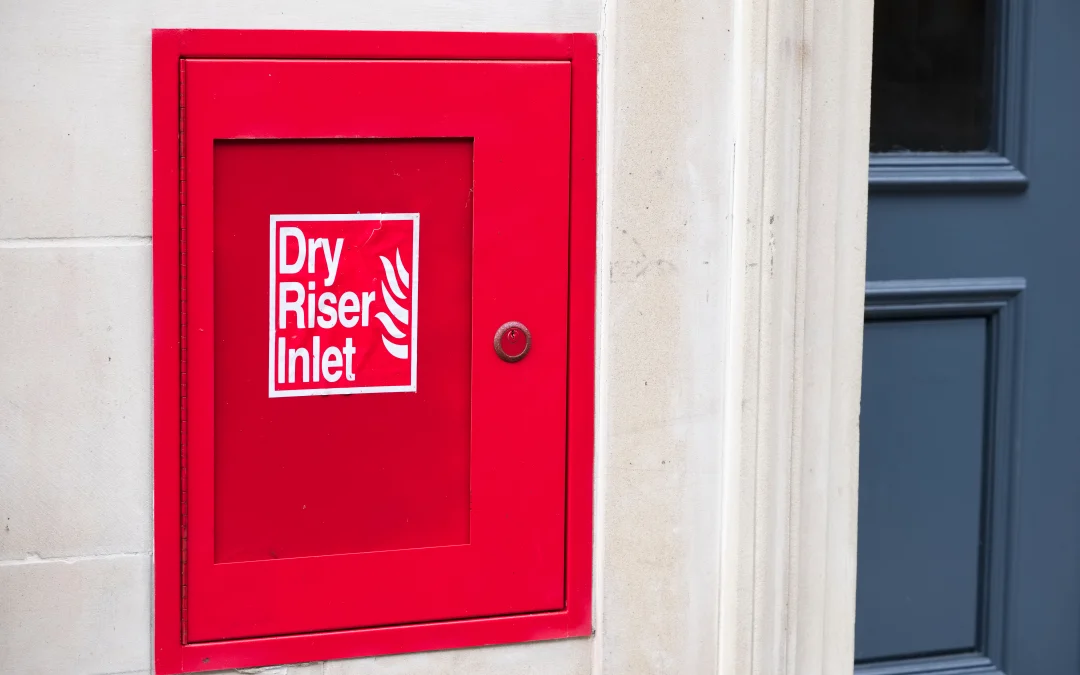
If you’re responsible for a commercial building, keeping a premise’s fire safety system fully functioning isn’t optional - it’s a legal requirement. One system in the whole process, often overlooked until it’s needed most, is the dry riser system.
Dry risers play a vital role in helping fire services respond to emerging fire hazards that arise in multi-storey buildings. Regular maintenance ensures they work as intended in an emergency and keeps your building compliant with current regulations.
The issue is, they’re often out of sight and out of mind until something goes wrong. Regular testing and maintenance help ensure your system works when needed and stays on the right side of regulations.
What Is a Dry Riser System?
A dry riser is a network of pipework that enables fire services to pump water to different floors within a building.
Firefighters connect to an inlet at ground level, which supplies water to outlets on each floor. This means they can access water quickly without having to run hoses through stairwells.
Dry risers are typically installed in buildings over 18 metres, including offices, apartment blocks and larger commercial premises.
Dry Riser Testing: What’s Required?
Dry riser testing is carried out to make sure the system is working as it should.
This usually involves:
- Six-monthly visual checks, making sure everything is in good condition and easy to access.
- Annual pressure testing confirms that the system can withstand the required pressure without leaks.
Keeping on top of this helps pick up issues early and avoids problems later on.
Dry Riser Inspection: What Does It Involve?
Inspections focus on the system's condition and whether it’s ready for use.
That includes checking:
- Inlet and outlet valves
- Caps and seals
- Any signs of corrosion or damage
- That access points aren’t blocked
It’s about making sure everything is where it should be and works when needed.
How Often Should Dry Riser Maintenance Be Carried Out?
Dry riser maintenance should be carried out regularly rather than waiting for something to go wrong.
As a guide:
- Every 6 months for visual checks (minor service)
- Once a year for full pressure testing (major service)
In most cases, this responsibility sits with the building owner or whoever is responsible for fire safety on site.
Common Issues Found During Dry Riser Servicing
During servicing, it’s common to come across issues that aren’t obvious day to day, such as:
- Leaks in the pipework
- Damaged or missing caps
- Corrosion affecting performance
- Blocked access points
- Faulty valves or connections
Dealing with these early helps avoid bigger problems and keeps the system reliable.
Dry Riser Testing South Wales: Staying Compliant
If the building you're located in has a dry riser, it needs to be regularly maintained in line with current standards. That responsibility usually belongs to the premises owner.
Working with a qualified provider ensures testing is carried out efficiently and correctly, issues are dealt with promptly, and your system remains compliant.
Book Your Dry Riser Testing and Maintenance
Keeping your dry riser system properly tested and maintained is essential to ensure it performs as intended in the event of a fire. Regular testing checks the condition of the pipework, valves and inlets, helping to pick up issues early before they become a risk.
At The Fire People, we provide professional dry riser testing, inspections and maintenance for commercial properties across South Wales. Our experienced engineers carry out all work in line with current standards, giving you confidence that your system is compliant and ready for use.
If you need to arrange dry riser testing or require advice on your system, please contact our team today, and we will be happy to help.

Recent Comments